


Some days meditation feels like a warm bath for the mind.
Other days it feels like sitting in a room with your own mess.
Both count.
1) Place
Pick a space that gently tells your nervous system: we do things differently here.
It doesn’t need to be aesthetic. It needs to be yours. A clean, quiet spot, maybe a corner with a few meaningful items, a candle, something natural, a text you love. The point isn’t the “stuff.”
It’s the signal: I’m here.
2) Posture
Posture isn’t about performing peace. It’s about creating a body that can hold presence.
There are many valid meditation postures (sitting, lying, walking, standing). And if you’re sitting: upright and relaxed, alert and soft, a balance of all.
3) Practice
Be reminded of Patanjali’s idea of abhyasa - practice as steady effort over a long time, without break. Not intensity or perfection, just the quiet devotion of returning.
4) Problems
This one is my favorite because it tells the truth.
You will encounter problems - physical discomfort, boredom, distraction, doubt, restlessness… and it even names them as classic obstacles. And here’s the twist:
The “problems” are not proof you’re doing it wrong. They’re often the point.
Because meditation is training your capacity to be with what is, without immediately reaching for escape.
5) Prepare
Before you sit, do something tiny that opens the inner door:
a single breath with intention, a line of a poem, lighting a candle, placing a hand on your heart.
What you do before meditation shapes what happens inside it.
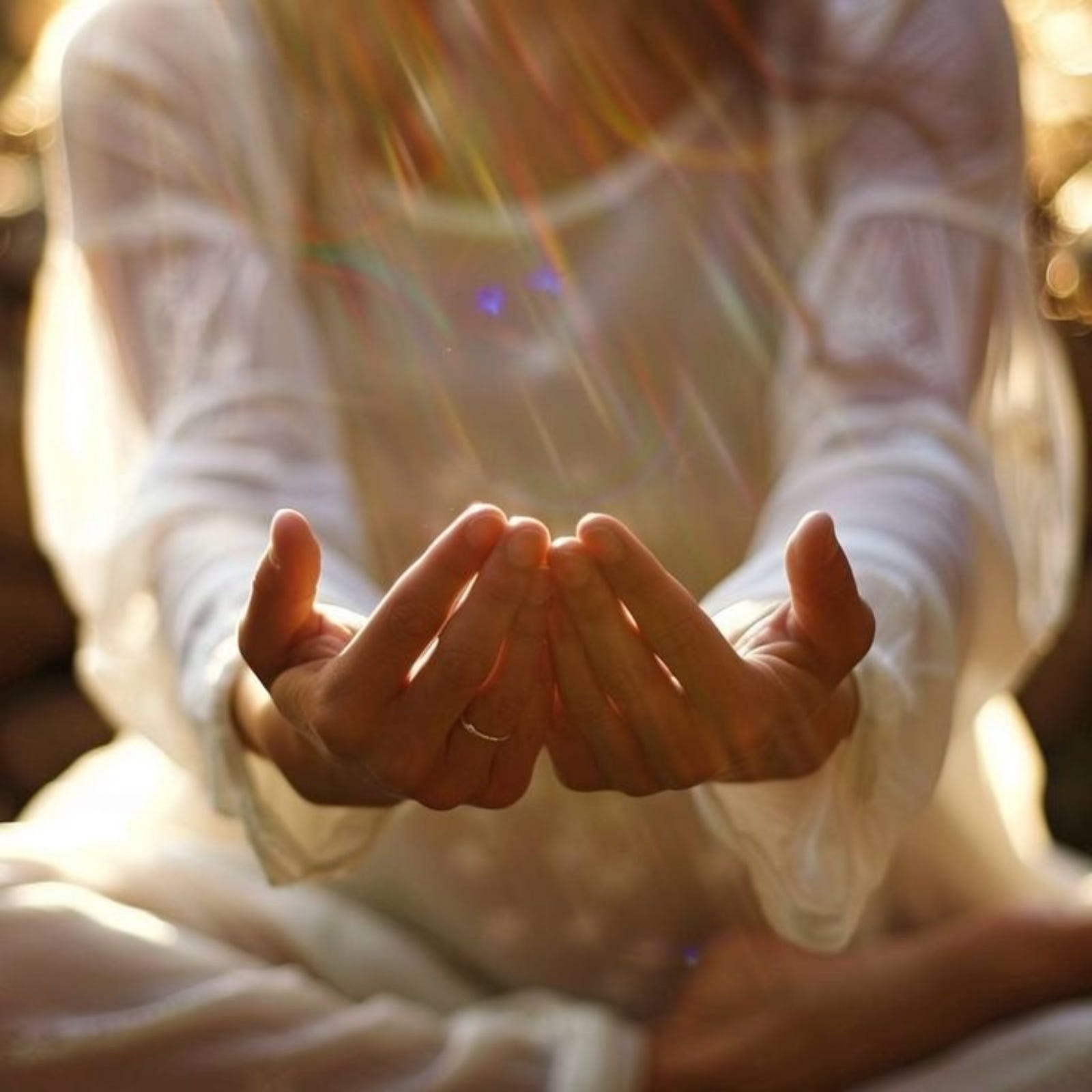
A small practice for today:
Set a 5-minute timer.
Sit.
And simply count how many times your mind wanders. Simply to witness without control or judgement.
You’re not failing. You’re noticing.
And noticing is the beginning of everything.